Canadian Homeowner's Guide
Is upgrading to solar worth it in 2026?
A balanced, plain-language look at what rooftop solar really costs Canadian homeowners, how long it takes to pay back, and the trade-offs that depend on your province, roof and electricity provider — so you can weigh the honest pros and cons before you buy.
Promotional material. Results are not typical and vary by household. No specific savings are guaranteed.
Full Transparency
Advertising & Affiliate Disclosure
We believe you should know exactly how this page is funded before you read a single price.
How we earn
EnergyUpgrade Canada is an independent publisher. We may receive referral compensation from featured companies when you request a quote. This relationship is disclosed prominently and never determines which risks, drawbacks or critical assessments we include.
Paid placement vs. editorial
Sponsored placement is clearly separated from our independent editorial assessment. Comparisons, pros and cons are written by our editorial team on the merits — paying to be featured does not buy a better verdict or hide a panel's weaknesses.
Privacy & CASL note: We collect only the details you submit — name, email, province and message — to connect you with certified installers. Any marketing email includes a working, no-cost unsubscribe link in line with Canada's Anti-Spam Legislation. See our Privacy Policy for full details.
Real Numbers
The Cost Reality Check
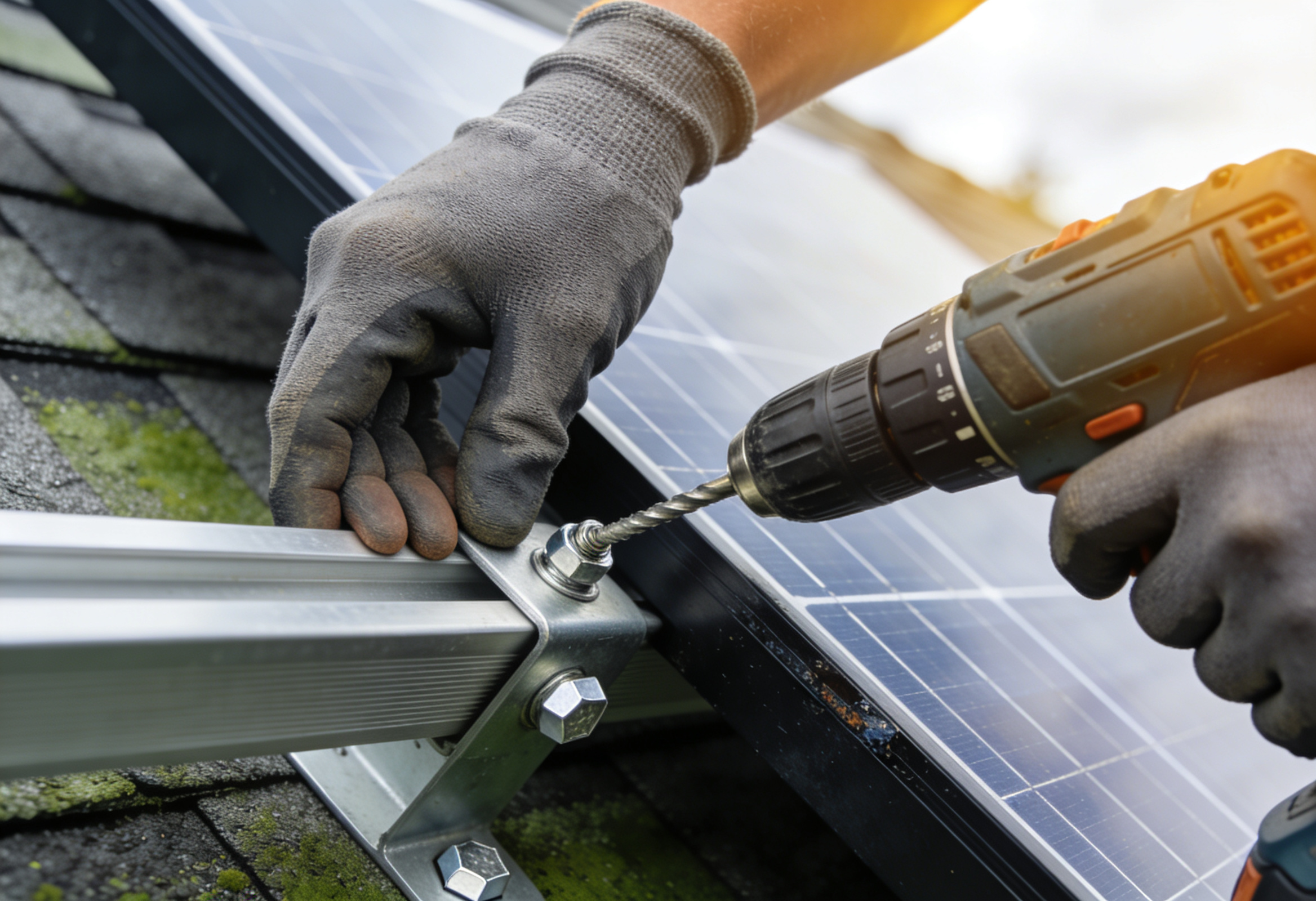
With Canadian utility rates climbing again in 2026, more homeowners are running the numbers on solar. But the installed price of a typical 6 kW to 10 kW rooftop system swings widely by province — driven by local labour, permitting, equipment supply and provincial incentives. Below are realistic installed-price ranges drawn from public utility data and industry reports.
Average installed system price · 6–10 kW
Ontario
$2.65–$3.10 / W$17,100 – $22,700
Higher labour and permitting costs, offset by net metering with most local utilities.
Results vary by household
Alberta
$2.45–$2.95 / W$16,000 – $21,300
Strong sun hours and competitive installers, with a deregulated retail electricity market.
Results vary by household
Quebec
$2.80–$3.25 / W$18,300 – $24,500
Among Canada's lowest electricity rates, which lengthens payback despite solid net metering.
Results vary by household
Figures are estimates sourced from public utility rate databases and industry reports, before any applicable rebates or financing. Your final price depends on roof complexity, panel choice and installer. No specific savings are guaranteed.
Honest Timelines
What's the Payback Timeline?
8–15 years
For most Canadian homes, a rooftop system pays for itself somewhere in this window. Where you land depends on your install price, local electricity rate, system size and how much power you export back to the grid.
-
0
Install
System goes live; upfront cost is paid or financed.
-
~8
Low-estimate break-even
High rates and strong sun can recover costs near year eight.
-
~11
Mid estimate
A typical household reaches break-even around year eleven.
-
~15
High estimate
Low rates or shading can stretch payback toward year fifteen.
Factors that affect payback
- Roof orientation
- Local electricity rate
- System size
- Net metering rules
- Financing terms
Rising rates in 2026
As grid electricity gets more expensive, the savings from self-generated solar grow — which can shorten payback.
Illustrative trend only. Actual rates vary by province and utility.
All payback figures above are estimates, not guarantees. Results are not typical and vary by household, province, roof orientation and electricity provider.
Getting Paid for Power
Net Metering & Grid Credits
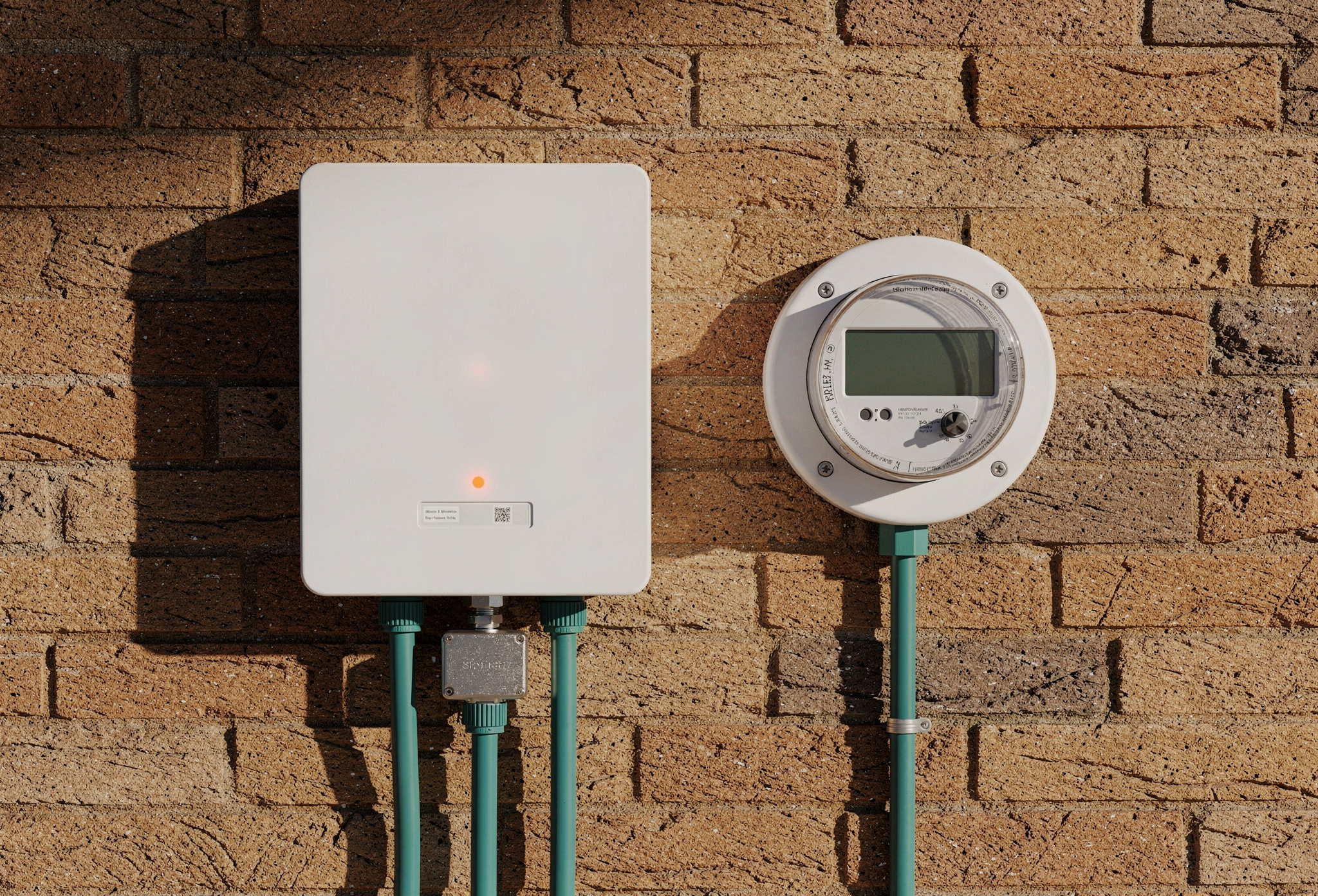
When your panels make more electricity than your home uses, that surplus goes back to the grid — and how you're credited for it varies across Canadian utilities. The two main models are net metering and feed-in tariffs, and the difference has a real impact on your payback.
Net Metering
Your meter runs both ways. Exported power earns a credit at the retail electricity rate, which offsets the power you draw at night or in winter. Unused credits typically carry forward on your bill.
- ✓ Credited at the full retail rate
- ✓ Credits usually roll over month to month
- ✓ Offered by most major provincial utilities
Feed-in Tariff
You're paid a set rate for every kilowatt-hour you export, separate from what you pay to consume. The export rate is often lower than retail, so the economics depend heavily on the contracted price.
- ✓ Fixed price per exported kilowatt-hour
- ✓ Export and consumption billed separately
- ✓ Availability and rates vary by program
Export credits differ
Some utilities credit exports at full retail value; others pay a reduced wholesale rate, which changes how fast credits build.
Billing varies
Credit roll-over windows, annual true-up dates and whether credits expire all affect the value you actually capture.
Rates differ by province
Ontario, Alberta and Quebec each set their own rules and rates, so confirm your local utility's current program before you commit.
Read the Fine Print
Reading a Solar Quote
Two quotes for the same roof can look wildly different. The trick is knowing what each line means and where installers tuck away extra costs. Work through these four steps before you sign anything.

-
01
Check the line items
Equipment, labour, permits and inspection should be broken out separately — not buried in one lump sum.
-
02
Verify equipment specs
Look for the exact panel and inverter make, model, wattage and efficiency — not just a brand name.
-
03
Read the financing terms
Compare cash versus loan: interest rate, term length and the total cost paid over the life of the agreement.
-
04
Hunt for hidden add-ons
Electrical panel upgrades, roof repairs, monitoring subscriptions and removal clauses can all add cost later.
Red flags — four warning signs
- Vague all-in pricing with no itemised breakdown
- Pressure to sign the same day or "today-only" pricing
- Unbranded or unspecified panel and inverter models
- Warranty terms left out of the written quote
Is Your Roof Ready?
Roof Compatibility
Not every roof is a good candidate for solar. Before you invest, run through these four factors — a reputable installer will assess each during a site visit.

Roof age & condition
A roof under roughly 10 years old, or recently replaced, is ideal. If shingles are near end of life, reshingle before installing panels.
Pitch & orientation
South-facing at a 30–45° pitch is optimal in Canada. East and west still work with a modest loss in annual output.
Shading
Chimneys, trees and neighbouring buildings cut output. Assess midday shade across the seasons, not just one moment.
Structural load
Framing must carry the panel weight plus local snow load. For older homes, an engineer may need to confirm capacity.
The Long Game
Warranty Comparison
Panels are a 25-year-plus commitment, so warranties matter as much as price. There are three numbers to compare across the major brands available in Canada — shown here generically as Brand A to D.

| Brand | Product warranty | Performance warranty | Annual degradation |
|---|---|---|---|
| Brand A | 25 years | 25 years to 84.8% output | 0.40% / year |
| Brand B | 15 years | 25 years to 80.7% output | 0.55% / year |
| Brand C | 25 years | 30 years to 87.4% output | 0.25% / year |
| Brand D | 12 years | 25 years to 80.2% output | 0.60% / year |
A longer product warranty covers the panel hardware itself; the performance warranty guarantees a minimum output as panels slowly degrade. Lower annual degradation means more power later in the system's life. Figures are illustrative examples for comparison and are not an endorsement of any specific manufacturer.
Run the Numbers
Savings Estimator
Get a rough, illustrative sense of annual savings and payback for your situation. This is not a quote — it's a simple model to help you frame the conversation with installers.
Indicative estimate
Annual savings
—
Estimated payback
—
Enter your details and select Estimate my savings to see an illustrative range.
Results are illustrative estimates only, generated by a simplified model — not a guarantee or a formal quote. Actual savings and payback depend on your exact rate plan, consumption, roof and installer. Results are not typical and vary by household.
Common Questions
Frequently Asked Questions
Will solar panels affect my home insurance?
In most cases you simply notify your insurer that you've added a roof-mounted system. Panels can modestly raise your home's replacement value and therefore your premium, but many policies cover them as part of the dwelling. Confirm coverage and any deductible changes with your provider before installation.
Do solar panels increase resale value?
Several studies suggest that owned (not leased) systems can lift a home's resale value, since buyers inherit lower energy bills. Results vary widely by market, buyer awareness and system age. Leased or financed systems with outstanding balances can complicate a sale, so keep documentation handy.
How much maintenance do panels need?
Very little. Panels have no moving parts; occasional rinsing and keeping them clear of debris or heavy snow is usually enough. The inverter is the component most likely to need replacement at some point during the system's life, typically after 10 to 15 years.
How do panels perform in snow and winter?
Cold, clear days are actually good for output, since panel efficiency improves in lower temperatures. Snow cover reduces production until it slides or melts off, and steeper roof pitches shed snow faster. Annual estimates already account for typical Canadian winter losses.
What financing options exist?
Common routes include an outright cash purchase, secured or unsecured loans, and certain provincial or utility programs. Availability and terms vary by province and over time. Compare the total cost over the term, not just the monthly payment, and watch for fees baked into financed quotes.
What happens during a power outage?
A standard grid-tied system automatically shuts off during an outage for the safety of utility crews, so it will not power your home on its own. To keep the lights on during outages you need battery storage with islanding capability, which adds cost and should be priced separately.
Compare & Connect
Certified Provider Comparison
Once you know what to look for, the next step is comparing certified local installers side by side. The four providers below are listed generically; request quotes from any of them to receive comparable, no-obligation estimates for your home.

| Installer | Years of experience | Panel brands offered | Warranty support | Request a quote |
|---|---|---|---|---|
| Installer A | 12 years | Brands A, B, C | 25-yr workmanship | Request Quote |
| Installer B | 8 years | Brands B, D | 10-yr workmanship | Request Quote |
| Installer C | 15 years | Brands A, C, D | 25-yr workmanship | Request Quote |
| Installer D | 6 years | Brands A, B | 15-yr workmanship | Request Quote |
Provider listings are illustrative and generic. EnergyUpgrade Canada may receive referral compensation when you request a quote; this does not change the comparison shown. Always verify certification, references and insurance directly with any installer before signing.
No Obligation
Get Free Quotes
Tell us a little about your home and we'll connect you with certified local installers for comparable, no-obligation estimates. There's no commitment, and you can opt out at any time.
Prefer to email us directly?
info@energyupgradecanada.comPromotional material. Quotes are provided by third-party installers. Results are not typical and vary by household.